

用户评价: 5 / 5

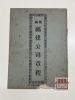
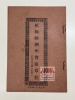
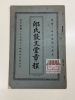
AngKongKeng.com拜访与记载全马祭祀相关组织,为即将出版《马来西亚华人祭祀文化与古迹》,收集史料
从2012年至今,AngKongKeng.com一庙一路马来西亚华人文化网除了记录、链接与推广全马华人祭祀组织外,同时也积极带动了文化醒觉和文化旅游。由于我们秉持中庸、如实记载的原则,多年来获得了国内外教授学者、高等学府、大众、香客、旅客、媒体、宗教及文化组织,乃至政府部门的认同、尊重与赞扬。
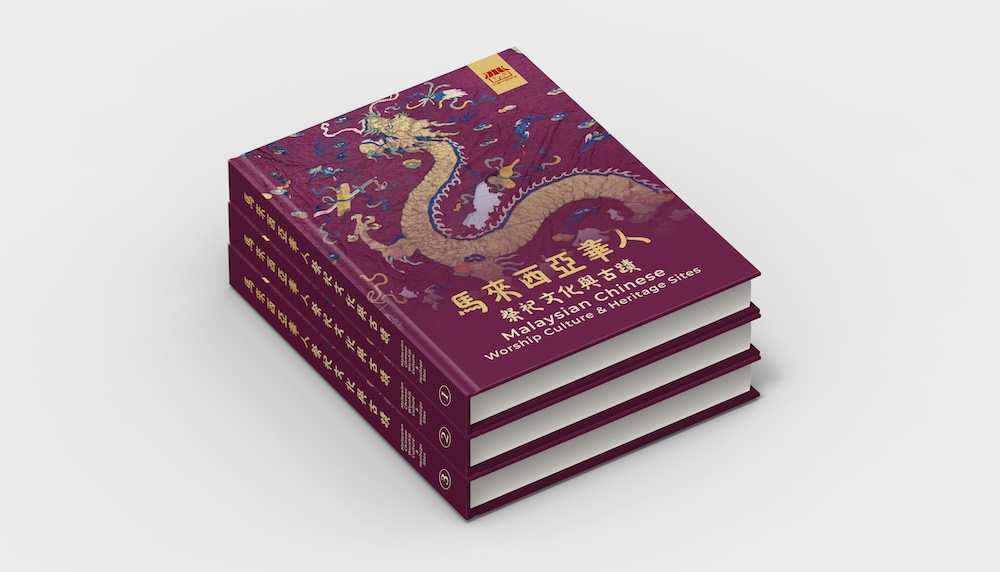
这些年,我们不断深入了解大马华人祭祀文化的根源、本土化与变迁,并拜访了各国的华人祭祀组织,深刻意识到记录与出版中英双语《马来西亚华人祭祀文化与古迹》的重要性。为此,我们重新考察全国各地的华人祭祀相关组织并获取最新资料,预计于2027年头正式出版此书。
《马来西亚华人祭祀文化与古迹》的核心亮点:
— 全面记录:涵盖全马华人祭祀相关组织,包括寺庙、宫、观、殿、祠、庵、坛、堂、会馆、 会社、宗祠及义山
— 历史意义:我国自1957年独立以来,第一次针对全国华人祭祀文化的系统性记载
— 珍贵价值:限量出版、采用中英双语全彩编写,内容包含民间搜集的老照片、老文件及珍贵文物
— 文化使命:提升大众对华人祭祀相关组织的认知与信心,唤醒各界对历史、祭祀文化与文物保护的重视
“前人种树,后人乘凉。”此书是我们为先贤先烈及后人所做的全国性记录,也是各界了解与传承华人文化的重要依据。
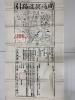
《马来西亚华人祭祀文化与古迹》的封面~光绪8年1882年12呎高双面三角玉皇上帝大龙旗
封面展示的是我们的收藏中最大的稀有文物——光绪8年1882年12呎高双面三角玉皇上帝大龙旗:
— 是作为东南亚甚至世界上仅存144年(距离2026年)、体型最大暨最老的华人祭祀旗帜,因为大件丝绸绣品在东南亚的气候很难保存
— 光绪八年是壬午年,今年2026是丙午年,很巧合都是“马”年,而且是在以回教为国教的马来西亚保存下来,也证明了我国是重视和谐、包容各宗教的国家
— “玉皇上帝”是道教与民间信仰中的最高神祈,为天庭统治者、三界(天、地、人)主宰。
— 1882年也是槟榔屿开始出现巨型三角形旗帜的“妆艺大游行”(Chingay)的时代。而“游行”(procession)一词则在19世纪初开始使用于新春或祭祀相关游行。
AngKongKeng.com have been visiting and documenting organizations related to ancestral and deity worship across various parts of Malaysia to collect historical materials for the upcoming publication, 'Malaysian Chinese Worship Culture and Heritage Sites'.
Since 2012, AngKongKeng.com (One Temple One Road: Malaysian Chinese Culture Network) has not only documented, connected, and promoted Chinese worship related organizations across Malaysia, but has also actively fostered cultural awareness and cultural tourism. By upholding the principles of moderation and objective documentation, we have earned the recognition, respect and praise of domestic and international professors, scholars, higher education institutions, the general public, pilgrims, travelers, media outlets, religious and cultural organizations, and even government departments.
Over the years, we have continuously deepened our understanding of the roots, localization, and evolution of Malaysian Chinese worship culture. Having also visited Chinese worship organizations in various countries, we realized the vital importance of documenting and publishing a bilingual (Chinese-English) national compendium of Chinese worship organizations. To this end, we have re-surveyed Chinese worship-related organizations across the country to gather the latest data, with the official publication of “Malaysian Chinese Worship Culture & Heritage Sites” scheduled for the beginning of 2027.
Key highlights of “Malaysian Chinese Worship Culture & Heritage Sites”:
— Comprehensive Documentation: Covers Chinese worship-related organizations across Malaysia, including temples, shrines, ancestral halls, clan/locality associations, “seah”, and Chinese cemeteries
— Historical Significance: The first nationwide systematic record of Malaysian Chinese worship culture since 1957
— Precious Value: Published in a limited edition, written in bilingual full color (Chinese-English), and featuring historically old photographs, documents, and precious artifacts collected
— Cultural Mission: Enhance public awareness and confidence in Chinese worship-related organizations, while awakening society's recognition and appreciation of history, worship culture, and artifact preservation.
"Planting trees for the shade of future generations." This book is a nationwide record to honor our pioneers and as an asset for future generations, serving as an important foundation for all sectors to understand and inherit Chinese worship culture.
The Book's cover featuring our largest collection piece—the 1882 Double-Sided Embroidered Triangular Giant Jade Emperor Dragon Flag (12 feet high)
— The world’s sole surviving 144-year-old Grand Dragon Flag; large-scale silk embroideries are exceptionally rare due to the challenging humid climate of Southeast Asia, which makes preservation nearly impossible.
— A Symbolic Coincidence: The year 1882 (Guangxu 8) was the Year of the Horse, and this year (2026) is also the Year of the Horse. That such a treasure has been preserved in Malaysia—a nation where Islam is the official religion—serves as powerful testimony to Malaysia’s spirit of harmony and religious tolerance.
— "Yu Huang Shang Di" (The Jade Emperor): The supreme deity in Taoism and folk beliefs, revered as the ruler of Heaven and the sovereign of the Three Realms (Heaven, Earth, and Humanity).
— 1882 also marked the beginning of the “Chingay” in Penang island, featuring giant triangular flags. The term “procession” began to be used in the early 19th century for processions related to the Chinese New Year or religious celebrations.